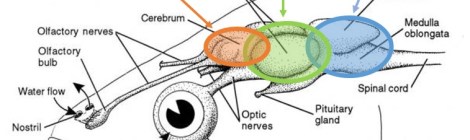
How’d You Get So Smart??? The Little Known History about Brain Evolution
Contrary to the old adage, you don’t have a reptilian brain. At least, not any more than you have an amphibian brain or a fish brain. The idea that the […]
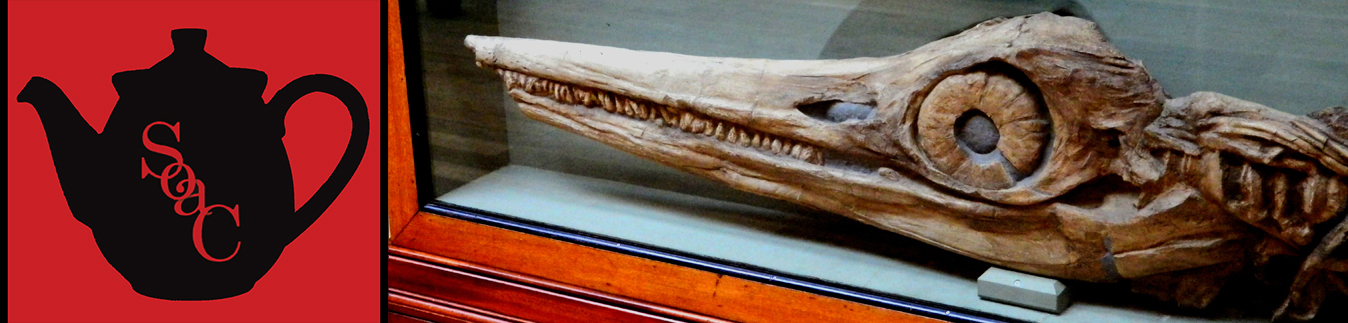
Contrary to the old adage, you don’t have a reptilian brain. At least, not any more than you have an amphibian brain or a fish brain. The idea that the […]

For those of you interested in the overlap between Ehlers-Danlos (EDS)/hypermobility spectrum disorders (HSD) and autism, sensory issues in EDS/HSD probably come as no great surprise. Nevertheless, this is an […]
We recently published an article in Autism Research reporting that autism genes are extremely ancient compared to other genes in the human genome. Illustration by Alexander Glandien. Courtesy of Spectrum News. […]
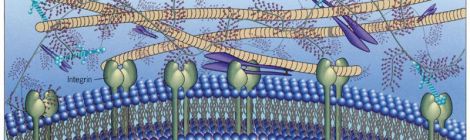
Connective tissue is a fibrous cell-sparse network that helps to connect, support, bind, and separate neighboring tissues from one another. It exists in and around every organ of the body. […]

Even though we’ve been separated by about 450 million years of evolution, humans and zebrafish share homology in roughly 70% of their genes. Yet in spite of this commonality, few […]
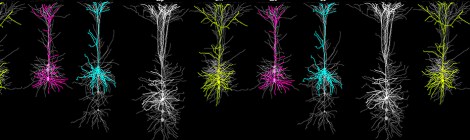
In comparison to autism, schizophrenia has had a longer history of study. Yet in recent times, research into the condition seems to have received less money than autism itself, most […]

“Despite the substantial evidence and compelling rationale of the neurodevelopmental theories [in that schizophrenia adheres to a developmental model in which the primary developmental defect gives rise to pathologic ramifications […]
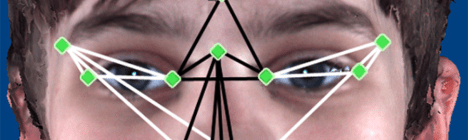
The human embryo develops three basic germ layers, which each give rise to various and occasionally overlapping structures. This is known as the Germ Layer Theory, originally proposed by Karl […]
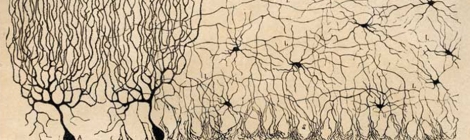
A good deal of my recent work has been focused on studying deviations to neuronal identity in relation to autism etiology. Though we use the term “neuron” to describe large […]
The common disease, common variant hypothesis (CD/CV) stated that a few common allelic variants could account for the genetic variance in disease susceptibility, whereas the rare variant (CD/RV) hypothesis stated […]


You must be logged in to post a comment.