
Tweny-three Chromosome Pairs? Try 1,000!
Every once in awhile, maybe once in a blue moon, you may read something that’s so left-field, so alien that it literally changes your fundamental concepts. For me that happened […]
Every once in awhile, maybe once in a blue moon, you may read something that’s so left-field, so alien that it literally changes your fundamental concepts. For me that happened […]

Ever since synaptic gene mutations were discovered in autism, the scientific world has been obsessed [1, 2]. Interestingly, however, these synapse-specific genes make up only a small minority of autism […]

Over the last year and a half, I’ve been studying rare forms of intellectual disability (ID) that have single-gene (monogenic) origins using various bioinformatics approaches. My primary interest was to […]
When choosing romantic partners, we’re all familiar with the phrase “like attracts like”. Ironically, however, this phenomenon is all too often overlooked in modern genetics studies. In a recent study […]
In comparison to autism, schizophrenia has had a longer history of study. Yet in recent times, research into the condition seems to have received less money than autism itself, most […]
There’s been a lot of study of copy number variants (CNV) in autism over the last decade or so. Far from beating a dead horse, a recent publication in Neuron […]
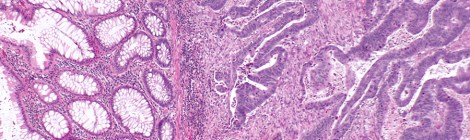
For the last few years, my mother has been battling colorectal cancer. In 2012, the primary tumor was removed, all lymph nodes appeared clear, and the pathologist, surgeon, and oncologist […]
Scientists, especially geneticists, are often over-focused on the nucleus of a cell. After all, it holds the basic blueprints for all the gene products our cells make, right? Unfortunately, because […]
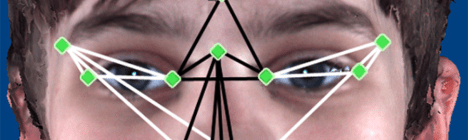
The human embryo develops three basic germ layers, which each give rise to various and occasionally overlapping structures. This is known as the Germ Layer Theory, originally proposed by Karl […]
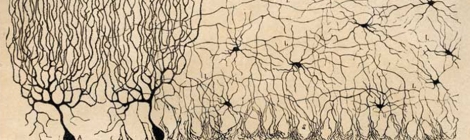
A good deal of my recent work has been focused on studying deviations to neuronal identity in relation to autism etiology. Though we use the term “neuron” to describe large […]
 Science Over a Cuppa
You must be logged in to post a comment.