
Rare Truncating Mutations Linked with Autism
You may have noticed that S.O.A.C. has been slow for the last few weeks. Well, I’m pleased to reported that my husband and I have just moved shop to Greenville, […]
You may have noticed that S.O.A.C. has been slow for the last few weeks. Well, I’m pleased to reported that my husband and I have just moved shop to Greenville, […]
The common disease, common variant hypothesis (CD/CV) stated that a few common allelic variants could account for the genetic variance in disease susceptibility, whereas the rare variant (CD/RV) hypothesis stated […]

We’re all familiar with the caricature of the stereotypical nerd: male, glasses, nasally monotonic voice, pedantic, obscure sense of humor, highly intelligent, calculators spilling from every pocket, and woefully socially […]

I’ve written previously about the dual excitatory-inhibitory roles GABA plays during development and adulthood. Interestingly, when it comes to many neurodevelopmental disorders, including autism and epilepsy, we keep revisiting this […]
What is a microexon? The explanation may be slightly complex for those not familiar with the basics of genetics, so I’ll review a bit. First off, a gene is a […]
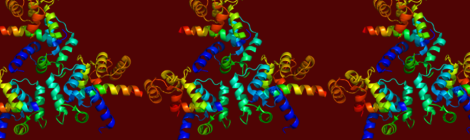
For as popular as the study of synapses and Shank3 have been in autism research, we are still fairly ignorant as to the roles this gene’s products might play in […]
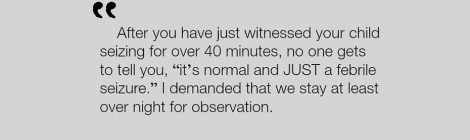
You may be surprised to learn that 2-5% of all infants worldwide will experience at least one fever-induced (febrile) seizure. And yet most parents probably don’t even know what a […]

“We took my son on a pilgrimage to the Bronx for an evaluation three months after he had a frightening regression in March. He had been receiving early-intervention services for […]
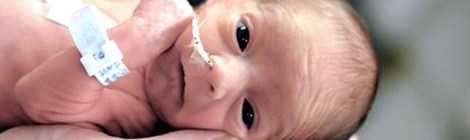
Although it’s well known that neurogenesis or the production of new neurons occurs throughout the lifespan, there are only a few select areas of the brain that continue to do […]
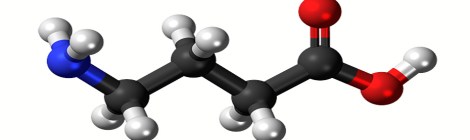
My last few blog posts on Science Over a Cuppa have focused on some of our recent genomics work involving neuronal immaturity in autism [1, 2]. Specifically, I’ve talked about […]
 Science Over a Cuppa
You must be logged in to post a comment.